


A Thousand Miles Apart, Yet Hearts as One: Illuminating Grassroots with the Light of Technology | FSN Public Welfare Training Chengdu Sub-Venue
As the host of the FSN Public Welfare Training Chengdu sub-venue, when Dr. Fu Zhonghua's instructions were transmitted live to the Chengdu classroom via screen at 2 PM on December 20, I looked into the eyes of dozens of grassroots medical workers filled with anticipation, and then turned my gaze to the 79 other classrooms across the country connected in real-time. I was deeply moved by the far-reaching unity of this public welfare training. With 2,115 participants learning together and 80 sub-venues running simultaneously, the modest Chengdu classroom was not only filled with explanations of FSN techniques, but also resonated with the eagerness of grassroots medical professionals in Sichuan for skill enhancement, as well as the profound compassion conveyed by Dr. Fu Zhonghua and his team.
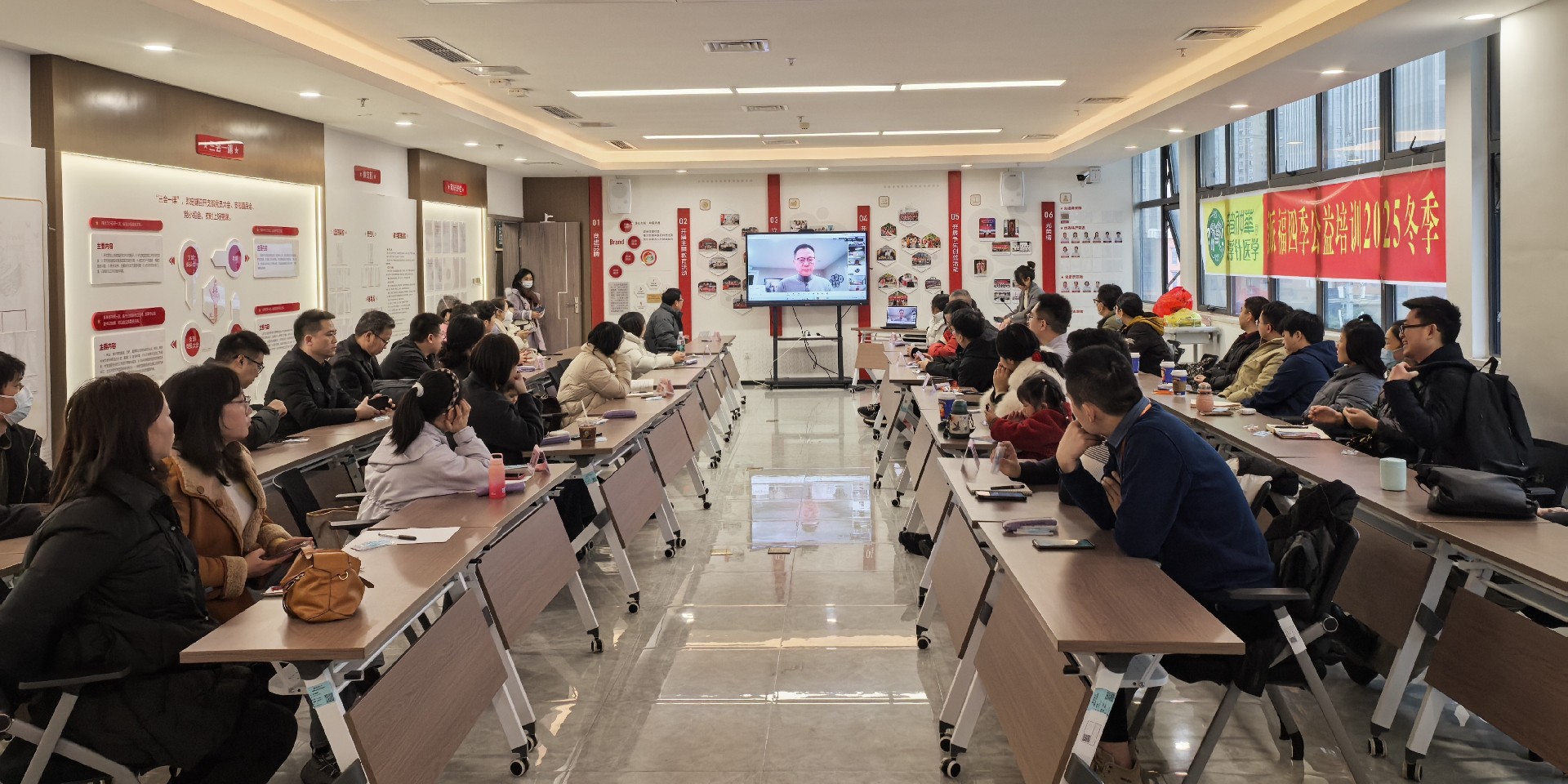
During the preparations for the Chengdu sub-venue, I had the opportunity to interact with many grassroots medical professionals who had signed up. Among them were staff from township health centers in the outskirts of Chengdu, clinicians from county-level hospitals, and general practitioners from community health service centers. One doctor from a township in Dujiangyan shared with me that middle-aged and elderly patients suffering from neck, shoulder, lower back, and leg pain were particularly common in the area. However, the local hospital lacked specialized pain treatment techniques, and seeing patients struggle to seek proper care filled him with a sense of helplessness. This reminded me of Dr. Fu Zhonghua's deep reflections after witnessing the challenges of grassroots medical technology during his teaching sessions in Linyi, Shandong. It also helped me understand why he is so dedicated to organizing public welfare training—the grassroots healthcare system in Sichuan is equally eager for practical techniques to address clinical challenges. From the two sessions of public welfare training held between June and September to this winter course, Dr. Fu's belief that "valuable knowledge should benefit as many people as possible" is not just a slogan. It has become a tangible "health dividend" delivered directly to grassroots medical professionals.
In the training classroom, the "hands-on teaching" model was vividly demonstrated at the Chengdu sub-venue. Our instructors, seasoned practitioners in the FSN field, provided detailed guidance on everything from the essentials of needle insertion to clinical diagnostic approaches, offering demonstrations and personalized instruction for each participant. I observed trainees repeatedly practicing their needle-handling techniques under the careful guidance of instructors, who would gently adjust their hand positions. When trainees raised questions about clinical case analyses, the instructors would deconstruct diagnostic logic by referencing common local conditions in Sichuan. This down-to-earth teaching approach made abstract techniques feel tangible and accessible. After the session, a female doctor from Mianyang, with tears in her eyes, shared that she had not realized FSN could treat not only pain but also certain internal and gynecological disorders. She now felt equipped to address practical health issues faced by women in her village. In that moment, it dawned on me that the "clinical blade" of FSN techniques was being honed to even greater sharpness at the Chengdu sub-venue. Armed with this tool, grassroots medical practitioners will ultimately safeguard the health of the people across Sichuan.
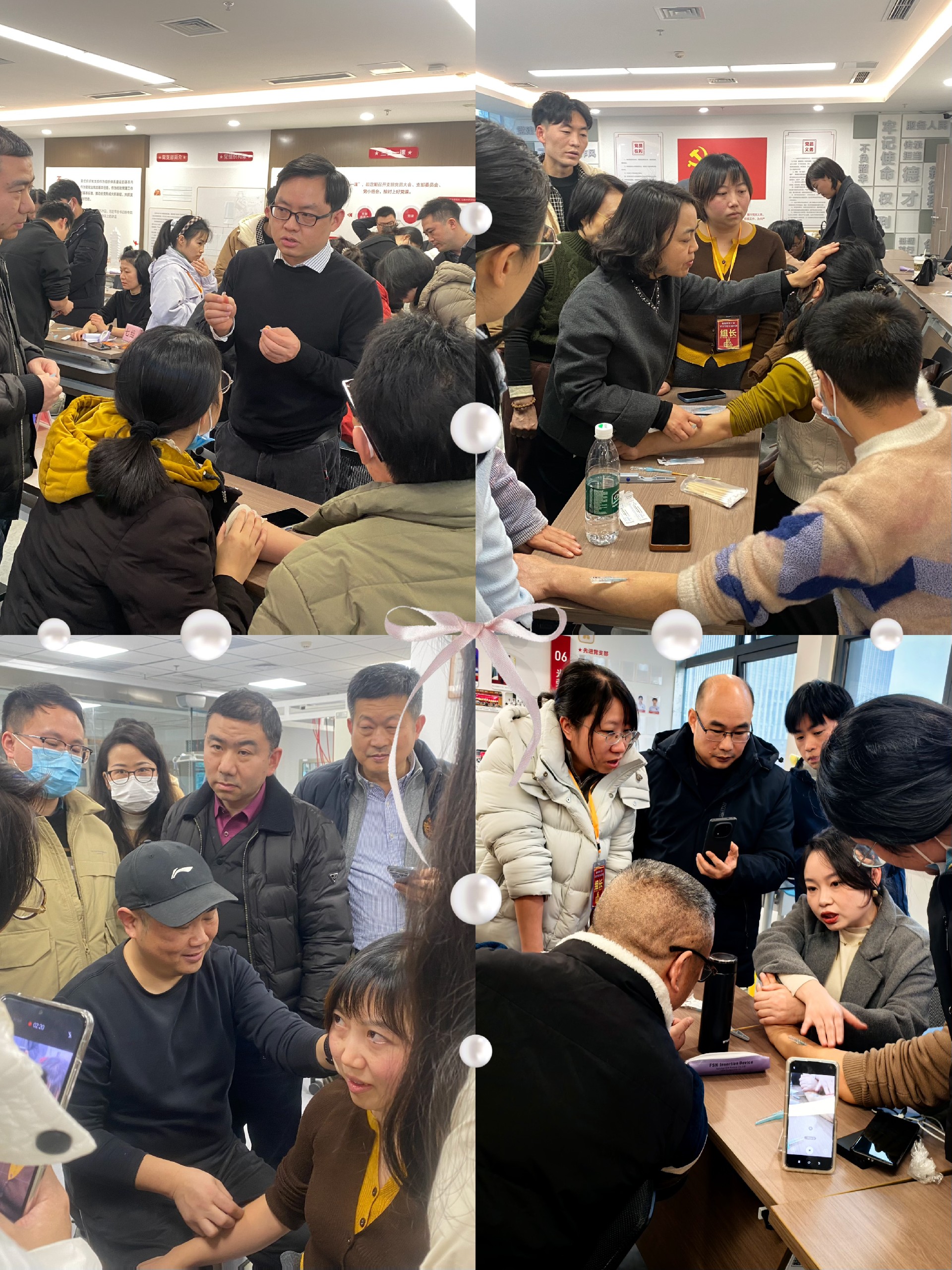
As the host, watching the trainees at the Chengdu sub-venue evolve from initial curiosity to focused practice and finally to confident completion filled me with deep emotion. The challenges faced by grassroots medical professionals once seemed like thorns on the ancient paths of Sichuan, obstructing their clinical journey. Yet, the FSN public welfare training has served as a bridge, helping them cross the chasm of technical limitations. After the training concluded, some participants eagerly planned how to apply FSN techniques in their own practices, while others formed study groups to exchange insights on clinical cases. These moments made me realize that the conclusion of the Chengdu sub-venue training is merely the beginning of FSN technology taking root at the grassroots level across Sichuan.
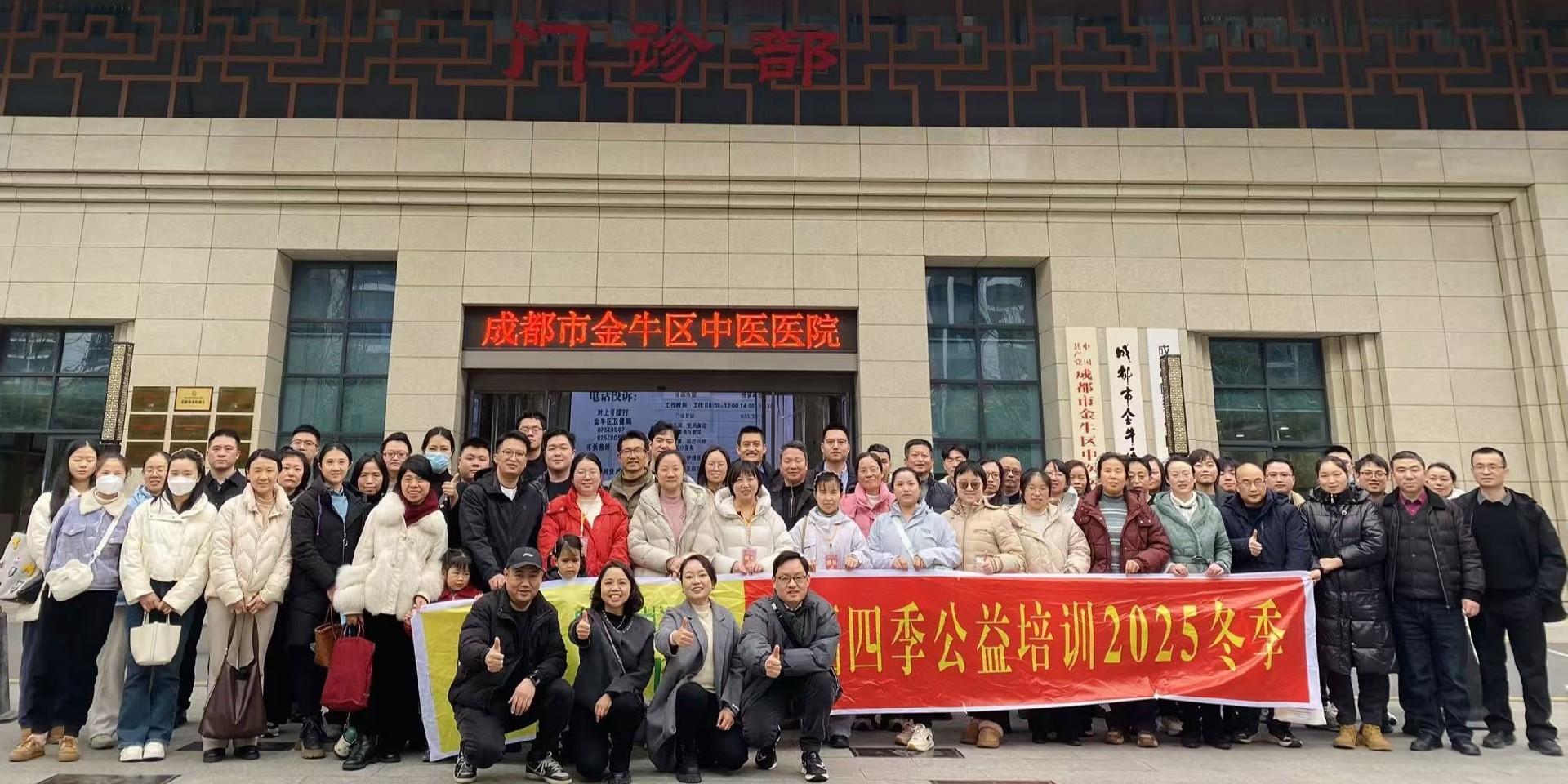
As the final session of the training concluded, the trainees at the Chengdu sub-venue spontaneously broke into applause—a gesture filled not only with gratitude for the skills they had gained but also with heartfelt appreciation for Dr. Fu Zhonghua and his team. This public welfare training has ignited the spark of FSN technique in Chengdu and extended the relay of compassion across Sichuan. I am confident that these grassroots medical practitioners, equipped with the FSN techniques they have learned, will return to their respective posts and allow the light of this technology to reach every corner of grassroots healthcare in Chengdu and beyond. And this spirit of public welfare, carried forward by the FSN community, will eventually blossom across the land of Sichuan into a flower of health that benefits the people.
Author Profile
Qiu Jiao
FSN-Specialized Licensed Traditional Chinese Medicine Practitioner
Affiliation: Chengdu Tianfu New Area Wan'an Heyun Clinic
Contact: 15928832808
Qiu Lin
FSN Level I Practitioner
Chief Physician of Integrated Traditional Chinese and Western Medicine
National FSN Teaching Demonstration Site
Standing Committee Member and Deputy Secretary-General of Sichuan FSN Professional Committee
Affiliation: Chengdu Tianfu New Area Wan'an Heyun Clinic
Contact: 13568864337

-
Profile
-
Teaching
-
Treatment Methods
-
Science Popularization
-
Department of Myology